
Procrastination - I'll Finish this Later.

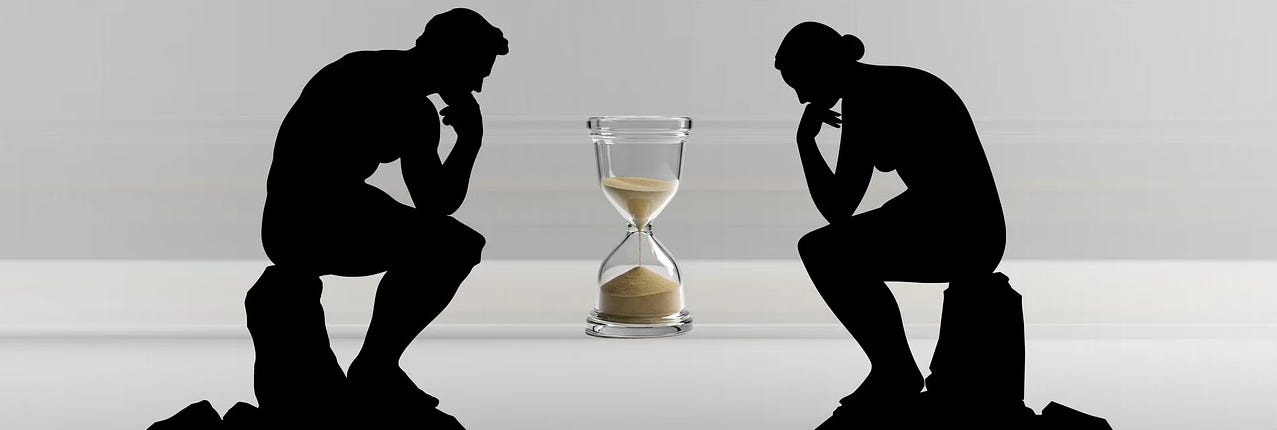
I have portal dreams a lot. Some magical gate appears and takes you instantly to a different destination. Perhaps it comes with the territory of reading and writing a lot of fantasy. In the waking world, however, the journey between two places is never instant - there is always a hard journey and sometimes a long one.
I have had long periods of illness when I was only physically capable of writing a few minutes a day. But it taught me something. I learned the trick that working even a small amount every day can end up as a superpower.
There are books written about procrastination.
Procrastination is generally defined as the delay of an important task, despite knowing the negative consequences. Often hard tasks are swapped for less important, easier activities. A procrastinator can be driven by emotions like fear, anxiety, and perfectionism, or the brain’s desire for immediate relief.
In some jobs, like news journalism, missing a deadline would mean the end of your employment - although many journalists leave it to the absolute last minute, much to the annoyance of the news editor and sub-editor.
Writing a book can take a year, or longer. It is hard to keep the faith while working on your own, day in, day out, with little professional feedback.
I don’t know all the answers. Here are some simple observations.
Procrastination prioritises the here and now over the future. For a procrastinator thinking only about the present moment - not the project - is more pleasant than actually working. The consequences of this slacking are in the future, often distant and abstract by comparison. It comes from feeling overwhelmed.
Practically getting into a positive mindset by going for a walk or doing something you enjoy before writing will help you change focus. If you are depressed or anxious try and think about the work as a distraction.
One classic way to add discipline to your day is to use the Pomodoro technique. Every day you set a timer for five minutes and build upwards. The Pomodoro technique works because it feels an achievable goal. It gives you structure and introduces a sense of urgency into your writing process – and you can have a break to look forward to.
Procrastinators daydream to avoid work. Turn that on its head and daydream as a means of focusing on the rewards of finishing the work. Also, with fiction, daydream about the work itself.
Do not start editing until you have finished. Let go of the idea that your writing project needs to be perfect.
Any project can get messy and overwhelming. Sometimes it’s hard to imagine the structure of your piece and words swim in front of you. At times like this I remember a piece of advice from my colleague. David Randall, a journalist of many years, who told me, “don’t let the story run you, grab it by the horns and run the story.”
What he meant is take a step back. Have another look at your interviews and research. Think about how the tell the story effectively.
If you cannot manage a task, pausing something and then returning to it later certainly does not mean it is a failed project.
Oh and maybe leave your phone somewhere else, or switch it off. Reserve your scrolling time for a specific time of the day.
https://henryandersonauthor.com
Solid take on how starting small compounds over time. The Pomodoro bit really works becuase it tricks the brain into thinking the task is manageable when it's actually the momentum that does the heavy lifting. I've found that once I get past the first timer session, I usually just keep going, the hardest part is always showing up. One dimension worth thinking about is how procrastination sometimes masks unclear priorities rather than jsut emotional avoidance, like when the project itself lacks direction.